Music lesson costs in the UK vary significantly depending on the instrument, teacher experience, and whether you choose in-person or online tuition. As of 2025, private music lessons range from £20 to £60 per hour, with most teachers charging between £25 and £45. This article breaks down exactly what you'll pay for different instruments, what drives those prices, and how to find good-value instruction without compromising on quality.
Average Music Lesson Prices by Instrument
What you learn has the biggest impact on cost. Some instruments have fewer teachers available, which pushes prices up; others are in demand with lots of competition, so rates stay lower.
Piano Lessons
Piano lessons typically cost £25–£40 per hour in most UK regions. London and the South East are more expensive, with experienced teachers charging £40–£60 per hour. Beginner lessons are cheaper at around £20–£30, whilst advanced classical or music theory specialists may charge £45–£75. Group piano lessons cost £12–£20 per person per session.
Guitar Lessons
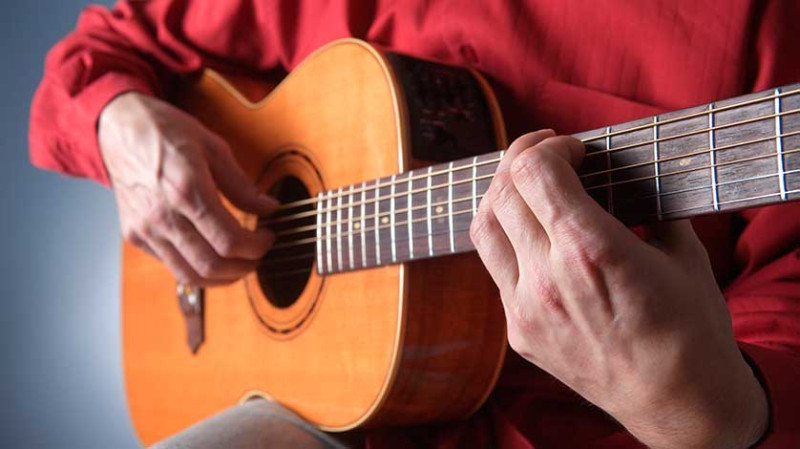
Guitar is one of the most affordable instruments to learn. Expect to pay £20–£35 per hour for acoustic or electric guitar tuition. Rock and pop teachers tend to charge less than classical guitarists. Online guitar lessons are particularly competitive, with rates starting at £15 per hour from less experienced teachers. Experienced guitarists teaching advanced fingerpicking or jazz techniques may charge £40–£50.
Singing and Vocal Lessons
Vocal coaching costs £25–£50 per hour depending on the teacher's background. Classically trained singers with performance credits often charge at the higher end. Contemporary vocal coaches and teachers for pop or musical theatre typically charge £25–£40. Many teachers offer package deals: pay for six lessons upfront and get a 10–15% discount.
Violin, Cello and Classical Strings
String instruments need specialist teachers and have steep learning curves. Violin and cello lessons cost £30–£50 per hour, with conservatory-trained teachers charging £45–£70. There are fewer teachers available for strings than for piano or guitar, which keeps prices higher. Beginner group violin lessons, often aimed at children, cost £15–£25.
Drums and Percussion
Drum lessons range from £20–£40 per hour. Because drums require equipment investment, fewer casual learners take them on, so some drum teachers offer group discounts to build their client base. More experienced session drummers or jazz specialists charge £40–£60.
Music Theory and Composition
Music theory tuition costs £25–£45 per hour. If you combine theory with instrument lessons from the same teacher, many will include theory without charging extra. ABRSM exam preparation, which is common in the UK, may cost an additional £5–£10 per hour.
What Factors Affect Music Lesson Pricing
Teachers vary their rates for good reasons. Understanding what influences cost helps you judge whether a quoted price is fair.
- Teacher qualifications: University-trained musicians, conservatory graduates, and those with performance experience charge more. ABRSM-certified teachers often cost 10–20% more but are essential for exam preparation.
- Location: London lessons are 20–40% more expensive than rural areas. Manchester, Birmingham, and Edinburgh command moderate premiums. Small villages may have fewer teachers, limiting your choice and potentially raising prices.
- Travel: Teachers who travel to your home typically charge £5–£10 more per hour than studio-based instruction. Online lessons (Zoom, Skype) remove travel costs, usually saving 10–15%.
- Lesson length: 30-minute lessons for young children cost £12–£25. 45-minute lessons are rarer but cost £20–£40. One-hour lessons are standard. Longer sessions (90 minutes) rarely happen outside intensive coaching.
- Student age and level: Adult beginners sometimes pay more than child beginners because adults progress faster and have higher expectations. Advanced students seeking exam prep pay more.
- Specialisation: Teachers offering exam preparation (ABRSM, Trinity), jazz, or specific genres (blues, classical, contemporary) may charge more than generalists.
- Package deals: Booking 6–10 lessons upfront usually gets you a 5–15% discount. Some teachers also reduce rates for siblings or group lessons.
In-Person vs Online Music Lessons: Cost Comparison
Online tuition is now a genuine cheaper alternative, though quality varies.
In-person lessons cost 10–20% more than online equivalents because teachers spend time travelling and using studio or home space. In-person instruction lets the teacher physically guide hand position, posture, and technique, which matters a lot for piano and violin.
Online lessons work better for guitar, singing, and music theory than for instruments needing close physical attention. You'll find online rates starting at £12–£15 per hour from newer teachers, rising to £25–£40 from established professionals. The drawback is unreliable internet, no hands-on correction, and less personal connection.
Video quality matters. Make sure your teacher positions the camera to show hands or mouth clearly. Audio delay can frustrate both student and teacher, especially for singing.
Music Lessons for Children vs Adults: Price Differences
Children and adults typically pay similar hourly rates, but session length and total commitment differ.
Child lessons: Most children start with 30-minute sessions (£15–£25 per week), moving to 45 minutes (£20–£30) around grade 3–4 if they continue seriously. Annual cost: £780–£1,560 for weekly lessons. Most families take a 4–6 week break during school holidays.
Adult lessons: Adult beginners usually book one-hour sessions (£25–£45 per week) from the start, expecting faster progress. Adults are often more self-directed but busier too, so consistency varies. Annual cost: £1,200–£2,340. Many adults do weekly lessons for 3–6 months then switch to fortnightly.
Neither group gets an age-based discount. Younger children sometimes get introductory offers like a free first lesson or half-price to attract families.
Hidden Costs and Additional Expenses
The hourly rate is not your only cost. Budget for these extras:
- Books and materials: ABRSM graded books, sheet music, method books cost £8–£20 each. A student working through grades might buy 5–8 books over 3 years (£40–£160 total).
- Exam fees: ABRSM exams cost £50–£100 per grade depending on the instrument and level. Trinity exams are similar. Expect one exam every 12–18 months if your child progresses steadily.
- Instrument purchase: Beginner piano or violin need upfront investment. A decent beginner acoustic guitar costs £80–£200. A half-size violin starts at £150–£300. These are one-off costs but significant.
- Instrument maintenance: Piano tuning (recommended twice yearly) costs £80–£150. Violin bow rehairs cost £40–£80 every 2–3 years. Guitar strings and occasional repairs add £10–£30 yearly.
- Missed lesson fees: Most teachers charge for missed sessions unless you cancel 24–48 hours ahead. Ask about the teacher's policy upfront.
How to Get Better Value for Money on Music Lessons
Paying less doesn't mean accepting poor teaching. Here are practical ways to reduce costs without compromising quality.
- Book lesson blocks: Paying for 6–10 lessons upfront typically gets a 10% discount. If a teacher normally charges £30/hour, bulk booking brings it to £27.
- Choose online tuition for compatible instruments: Guitar, singing, and theory teach well online. You'll save £3–£8 per hour.
- Accept newer, trainee teachers: Newly qualified graduates often charge £15–£20 per hour whilst building their client base. If they're ABRSM-trained, quality is assured; they just lack years of experience.
- Seek group lessons: Two or three learners sharing an hour costs £10–£20 per person. This only works if students are at similar levels and get on well.
- Use community centres or music schools: Local authority music services and charities often offer subsidised lessons. London, for example, has council-run services at £10–£15 per session.
- Ask about sibling discounts: Many teachers reduce rates for second and third family members, typically by 15–25%.
- Check Ofsted-registered music tutors: Not a cost saving directly, but you get accountability built in. Avoid unregistered individuals who may lack professional standards.
Regional Price Variations Across the UK
Where you live significantly impacts music lesson costs.
London and South East: Most expensive region. Piano £35–£60/hour, guitar £25–£45, singing £30–£55. Higher cost of living and teacher demand drive the premium.
Midlands (Birmingham, Coventry, Nottingham): £25–£40 for most instruments. Moderate pricing reflects smaller populations than London but strong musical culture.
Manchester, Liverpool, Leeds: £22–£40 per hour. Northern cities offer better value compared to the South, with established music education infrastructure.
Scotland (Edinburgh, Glasgow): £20–£38 per hour. Generally cheaper than England, though Edinburgh has a slight premium due to its music festival status.
Wales and rural areas: Widest range due to limited teacher supply. Can be as cheap as £15 per hour in small towns, but fewer teachers means less competition and potentially higher prices or longer travel times.
Frequently Asked Questions
How much should I expect to pay for a first music lesson?
Many teachers offer the first lesson free or at half-price (£10–£20) to assess the student and establish rapport. If charged full price, expect £20–£40 depending on the instrument and teacher. Always clarify whether the initial lesson is a consultation or a paid commitment before booking.
Is it cheaper to learn music online than in-person?
Yes, typically 10–20% cheaper. Online lessons remove teacher travel time and studio costs. Expect £12–£35 per hour online versus £20–£45 in-person. However, some instruments (violin, cello, piano) teach less effectively online due to the need for hands-on posture correction.
Do music teachers offer discounts for paying upfront?
Most offer 5–15% discounts when you pay for 6–10 lessons in advance. Some offer package pricing: 12 weeks for the price of 10. Always ask; it's a standard practice and teachers appreciate the guaranteed income.
What's included in a music lesson cost?
The hourly rate covers teaching time and personalised instruction. Sheet music, exam fees, books, and instrument maintenance are extras. Some teachers include one graded book or theory workbook in their rate; others charge separately. Clarify what's included when you first enquire.
Are ABRSM or conservatory-trained teachers worth the extra cost?
Yes, if exam preparation or advanced technique is your goal. ABRSM-trained teachers understand the UK grading system and exam requirements intimately, reducing the risk of wasted effort. For casual, adult hobby learners, a non-qualified but experienced teacher may offer equal value at lower cost.
Compare trusted music lesson providers near you. QuoteBank shows you verified local music teachers — you pick who contacts you. No cold calls, no obligation.
Trending articles
- How to Get More Music And Singing ... Feb 2026
- Signs You Need a Music Teacher: When ... Feb 2026
- Music Lesson Costs UK 2025: Piano, ... Feb 2026
-
 Vocal Breakdown: Make An “Opera” ...
Jun 2025
Vocal Breakdown: Make An “Opera” ...
Jun 2025
-
 Strumming Without a Pick: Mastering ...
Apr 2025
Strumming Without a Pick: Mastering ...
Apr 2025
-
 Teaching Singing to Kids & Children ...
Apr 2025
Teaching Singing to Kids & Children ...
Apr 2025